
The Gist:
- It can be difficult to compete against a lower-priced competitor, especially one your prospect thinks is “good enough.”
- The salesperson with the higher price is responsible for explaining the different models and why their prospect should avoid concessions.
- The key to winning is differentiating in the sales conversation, the delivery model, and the investment necessary to produce the best results.
In every industry, each company chooses a unique delivery model to produce results for their clients. Some choose to create greater value and charge a higher price than their competitors, appealing to those who refuse to make concessions on value and experience. Others choose to create lesser value, setting a lower price for those who can’t or won’t spend money and who are willing to make concessions. The contest between two competitors is, in part, a battle between different models.
Your lower-priced competitor won’t lead a pitch by listing all the concessions their client unknowingly agrees to in exchange for a lower price. Listing all the areas where their model requires lower investment in inputs might lead the client to believe that the outputs would suffer. Instead, most lower-priced competitors claim they are better than the higher-priced alternatives. Much of the time, the contacts don’t recognize the difference between the delivery models, especially when there is no way to distinguish one sales conversation from another.
Let’s make a rule here: the company with the higher price shall be responsible for teaching the client why they should invest more in the results they need, by explaining the different models, the additional value their higher price creates, and the concessions that increase the client’s overall costs in lower-priced models.
If you have read Eat Their Lunch, you know to avoid saying anything negative about your competition. If you say anything at all, say something nice about them. Tell your contact that you have friends at the company across the street and that you know they work hard— but then pivot to the idea that your friends have a different model and make different decisions, ones that you don’t believe are right for producing the best results.
Win customers away from your competition. Check out Eat Their Lunch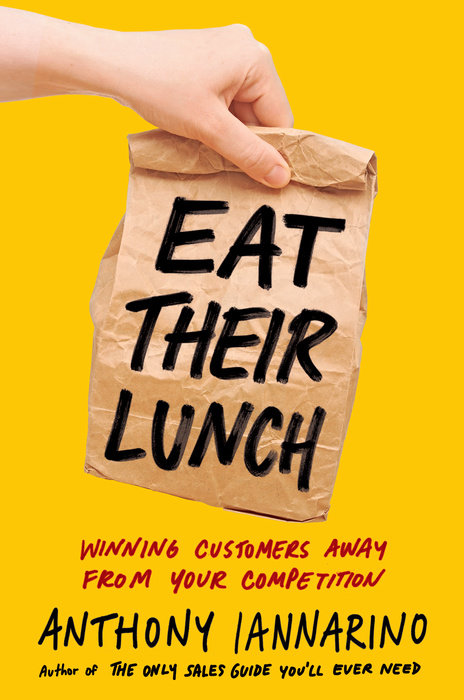
It’s always disappointing to lose to a lower-priced competitor, since you know they can’t create greater value than you. Your first instinct might be to blame your contacts for not recognizing the more excellent value your solutions offer them. Then you might rationalize the loss by telling yourself that your competitor lied, especially since you have had to clean up the mess they’ve made for the last three clients you won. Lies of omission are still lies, but you didn’t seriously expect your competitor to lead with the risks and the higher overall costs of their model, did you?
Time for another rule: a salesperson who did not differentiate themselves, their company, and their delivery model in a meaningful way shall not complain about the loss to a lower-priced competitor, since they contributed to the loss through their negligence.

Differentiation in the Sales Conversation
It’s important to remember that you are working to create a preference to buy from you, buy from your company, and buy your solution. To create an advantage, you have to differentiate yourself from your competition, which you do by creating value through the sales conversation. When you charge a higher price, you need to justify it by explaining the investments you make that others avoid. You are almost certainly better off differentiating on those delivery models than on random facts about your company, like the number of years you have been in business.
Selling is nothing more than a series of conversations we have with our clients. Much of the time, the only tools you have at your disposal are words and occasionally some pictures (preferably not stock photos: you’re a professional, not a meme!). You use those words to ask powerful questions, help the client recognize the nature of their problem, share insights and ideas that help them recognize the better results available, and help them make better decisions than they would without your assistance.
Whether you or your competitor capture the client’s mindshare and build a strong preference comes down to who the contacts believe knows more about the decision than they do. It may never have occurred to you that when your client takes your advice, they have very literally allowed you to decide for them. So ask the tough question: “Do you create so much value in the sales conversation that your contacts should allow you to decide what they should do?”

Differentiation in Delivery Models
You enable your client to make a good decision by helping them understand the different models available. You do this by sharing what you do differently, why you do it differently, and how it improves their results—and how it eliminates the risks and higher costs that come with a lower price. The outcome of this conversation is that your client can recognize the difference between your offering and the lower-priced offering.
By addressing the models, you not only avoid having to bad-mouth your competitor, but you potentially remove the entire category of lower-priced competition by explaining the concessions that their models require due to a lack of possible investment. For bonus points, you can poison the well: help them with the questions that clarify whether a potential supplier’s model imposes those concessions.

Differentiation in Investments
If I were a betting man, I would wager an overpriced bitcoin that you spend much more time in traditional discovery, presenting your company, and hyping your solution than teaching your client how to make the right decision for the results they need.
Because your price is higher than the alternatives, the responsibility falls to you to justify the delta between your higher price and your competitor’s lower price by explaining how you invest the difference in the better results the client needs. You also need to explain how these investments lower the client’s overall costs by helping them avoid the problems and challenges resulting from underinvesting in a model that will ultimately hamstring their results.
Do Good Work:
- What are the differences between your model and those of your lower-priced competitors?
- What concessions do your prospective clients routinely make without knowing they are doing so?
- How well do you differentiate yourself in what you teach during the sales conversation?
Essential Reading!
Get my 3rd book: Eat Their Lunch
"The first ever playbook for B2B salespeople on how to win clients and customers who are already being serviced by your competition."
Buy Now

.jpg?width=768&height=994&name=salescall-planner-ebook-v3-1-cover%20(1).jpg)